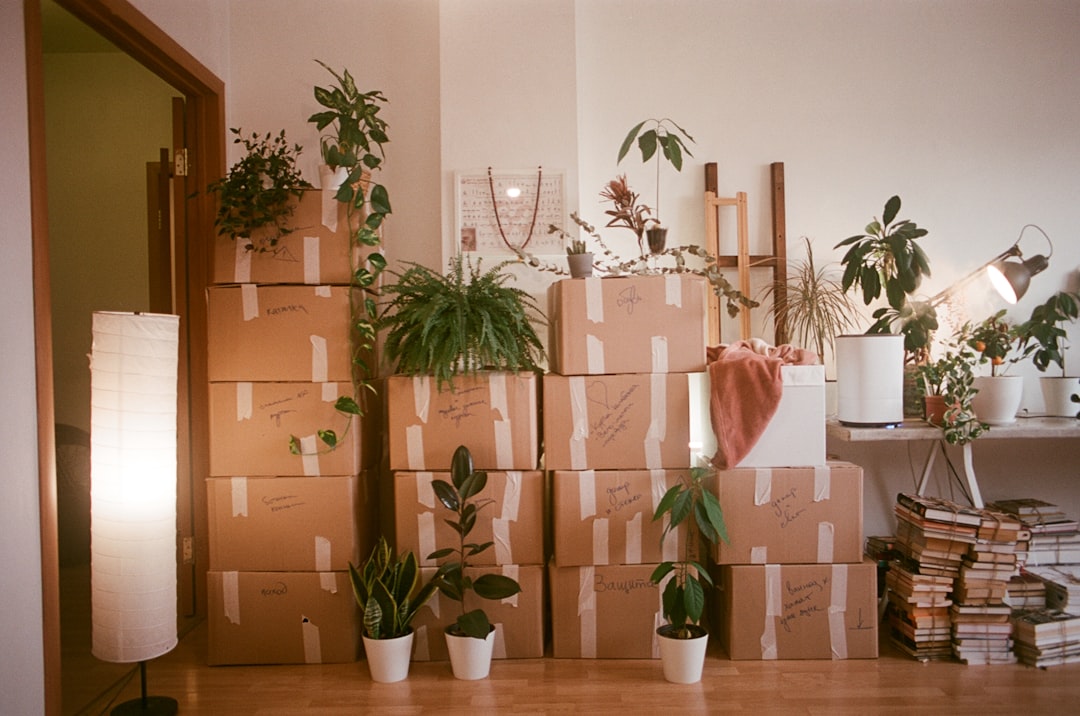
Turning a small rental living area into a cozy screening room is one of the most rewarding low-cost upgrades a renter can make. This guide gives step-by-step design, tech, and landlord-friendly strategies so you can host movie night, sharpen your home decor skills, and maintain your security deposit. Along the way we'll link to short how-to resources like how TikTok is influencing rental listings for rental-hunting inspiration and navigating Sonos gear if you want a compact, high-quality audio backbone. Read on to learn practical small space solutions for a memorable home theater experience without permanent changes.
1. Start with a plan: measurements, multipurpose layouts, and renter rules
Measure first, design second
Before buying a projector or a new sofa, measure every relevant dimension: wall width, window placement, ceiling height, door swings, and walkway clearances. Accurate measurements let you map out sightlines (where viewers’ eyes naturally land) and seating depths. For small rooms, a 1.5x screen-to-seating distance ratio is a helpful rule-of-thumb for projectors: if your screen is 80 inches diagonally, aim for roughly 10–12 feet of seating distance. That said, short-throw projectors alter the geometry—so include manufacturer throw charts when calculating placement.
Design a multipurpose layout
Most renters need a screening room that doubles as a living room, home office, or guest area. Zoning with rugs and furniture can define a “cinema” area while preserving daily function. Position a sofa so it faces the display axis and keep the coffee table lightweight or on wheels for quick reconfiguration. Use vertical storage and wall-mounted floating shelves to reduce clutter footprint while leaving floor space for seating. If you need inspiration for staging a small space sustainably, check our tips on budget-friendly sustainable staging techniques.
Know your rental restrictions
Landlords often restrict types of alterations—no hardwiring, no screw mounts, or strict paint rules. Read your lease and talk to your landlord about what’s allowed before making purchases that require drilling or wiring. When in doubt, choose temporary options like tension rods for curtains, removable 3M Command hooks for lightweight mounts, and non-permanent adhesives for LEDs. For broader context on how rentals are adapting to tenant expectations, see Understanding the 'New Normal', which covers market shifts that affect renters and landlords.
2. Display decisions: TV vs. projector for small spaces
Pros and cons: TVs
Modern LED/OLED TVs deliver sharp images, bright colors, and simple plug-and-play streaming. They’re ideal if you want daytime viewing or a picture that can double as a digital art display. A 50–65 inch wall-mounted TV is usually perfect for apartments under 400 square feet. Consider Samsung’s recent smart TV lineups for integrated apps and smart features—our review of Samsung’s Smart TVs highlights their universal streaming ease and bright displays.
Pros and cons: Projectors
Projectors maximize screen size without taking up floor or visual space when not in use. A short-throw projector can produce a 100-inch image from a few feet away, perfect for small rooms. Downsides include ambient light sensitivity, potential need for blackout solutions, and periodic bulb maintenance—factors we'll address in lighting and tech sections. If you favor a true cinema scale for movie night, a projector is worth considering.
Rental-friendly mounting options
Wall-mounting a TV can be reversible if done with removable anchors and documented with photos to avoid disputes. For projectors, consider a freestanding shelf, a low-profile media console, or a temporary ceiling mount that uses clamp systems rather than drilled anchors. Keep receipts and document the condition before and after installation. If you want to keep wiring invisible without cutting into walls, run cables under rugs or behind cable raceways that adhere with removable strips.
3. Sound design: small-room acoustics and gear that won't anger your landlord
Choosing compact, tenant-friendly speakers
Small rooms don’t need big towers to sound great. Soundbars, compact bookshelf speakers, and powered wireless speakers can all deliver room-filling audio when positioned correctly. If you're focused on easy integration and reliable multiroom options, our guide on navigating Sonos gear describes how Sonos and similar systems give great sound with wireless flexibility—no running long speaker wires through walls.
Acoustic fixes that are renter-safe
Soft surfaces absorb reflections and improve clarity. Thick rugs, fabric wall hangings, heavy curtains, and bookshelves filled with books all reduce echoes. Use removable Velcro to mount acoustic panels or hang quilts on decorative rods. Even strategically placed throw pillows can dampen first reflections and make dialogue crisper.
Placement for best bass and clarity
Small rooms can suffer from bass boom or dead spots. A compact powered subwoofer can be tucked behind furniture and leveled with isolation pads to reduce transmission to neighbors. For clarity, aim to keep speakers at ear height and form an equilateral triangle with your seating for stereo. If neighbors are sensitive, consider cardioid or down-firing subwoofer placement and keep neighbor-friendly volumes during late hours.
Pro Tip: If you want theater sound on a budget, a mid-range soundbar plus a small wireless sub delivers impressive results without complex wiring or landlord permissions.
4. Seating and layout solutions for small spaces
Seating types: permanent vs flexible
Fixed sofas provide comfort and permanence, but flexible seating lets you adapt the room for other uses. Consider a compact loveseat with ottomans, modular sectionals that reconfigure into guest bedding, or floor seating with plush cushions and poufs for a loungey vibe. Inflatable loungers and folding chairs work for occasional guests but can look temporary—use them sparingly for movie marathons.
Optimizing sightlines and comfort
Ensure every seat has an unobstructed view of the screen and audio positioned for clear delivery. Elevate back rows with a low platform or riser—this can be made from interlocking tiles or a temporary timber frame that doesn’t attach to the floor. Adjust seating depth so heads don’t fill more than 12–16% of the vertical screen height for comfortable viewing.
Comparison table: seating options at a glance
| Seating Type | Comfort | Space Impact | Removability | Best Use |
|---|---|---|---|---|
| Loveseat | High | Medium | Moderate | Daily use for 2 viewers |
| Modular sectional (small) | Very High | Medium-High | Moderate | Flexible layouts & guests |
| Floor cushions & poufs | Medium | Low | High | Informal movie nights |
| Folding chairs / beanbags | Varies | Low | Very High | Extra guest seating |
| Inflatable loungers | Medium | Very Low | Very High | Occasional screenings |
5. Lighting, blackout, and glare control
Temporary blackout options
Blackout is a projector’s best friend. Instead of installing permanent blackout blinds, use tension-rod blackout curtains, removable blackout shades, or magnetic strips with blackout fabric for metal frames. These solutions block light effectively and are removable at move-out. For a simple, low-cost option, heavy dark blankets temporarily hung on curtain rods also work in a pinch.
Layered lighting for mood
Layered lighting helps you move from bright daytime tasks to cozy evening movie ambiance. Combine soft floor lamps, wall sconces (plug-in styles), and string LEDs that stick with removable hooks. Smart bulbs let you program warm, dimmed scenes for pre-show and intermission—use a warm Kelvin (2700–3000K) for a cinema-like glow.
Preventing screen glare
Avoid placing light sources directly behind the viewer or opposite the screen. Use directional lamps pointed toward ceilings to create diffuse ambient light. If TV glare persists, consider an anti-glare screen protector or repositioning the display to minimize reflections from windows and lamps.
6. Cozy ambiance and renter-safe decor
Textiles and scent to create atmosphere
Plush throws, layered rugs, and textured cushions instantly warm a room. Select fabrics that complement your color palette and absorb sound. For scent, use small reed diffusers or plug-in wax warmers (avoid open flames) to craft a signature movie-night aroma. For small, seasonal tweaks to table and snack presentation, see our ideas on setting a seasonal dining table—many tips translate well to a mini snack bar.
Wall art without damage
Removable picture strips and poster putty allow you to hang framed prints, movie posters, or a DIY gallery of instant photos without drilling. If you want a personal touch that doubles as set dressing, use instant cameras: capturing memories on film gives a nostalgic vibe and produces tangible decor. Learn more about instant camera trends in Are instant cameras the new mindfulness tool?
Themed nights and decor swaps
Rotate small decor elements to match themed screenings—add a string of fairy lights for romantic films, or a bowl of faux snow for a winter lineup. Swap throw pillow covers and small art pieces seasonally to refresh the room without buying new furniture. For thematic culinary inspiration to pair with films, Tokyo’s foodie movie night ideas are a creative prompt: Tokyo’s Foodie Movie Night.
7. Tech & streaming: devices, connectivity, and interactive experiences
Streaming devices and sources
Choose devices that fit your habits: a streaming stick for simplicity, a set-top box for a broad app library, or a small HTPC for tech-savvy users. Ethernet or a strong Wi-Fi 5/6 connection stabilizes streaming, especially for 4K content. If your router is far from your screening zone, mesh Wi-Fi extenders or a discreet powerline adapter can close the gap without rewiring walls.
Interactive films and future-proofing
If you want to try interactive or branching narrative films, ensure the streaming device supports the platform (some interactive features require newer OS versions). For a glance at how storytelling is changing with interactive formats, check The Future of Interactive Film. Design your layout so viewers can access remotes or companion devices comfortably when interacting with content.
Legal considerations and piracy
Always use licensed streaming sources for public screenings and be mindful of community rules if you host larger groups. For private movie nights with friends, licensed subscriptions are fine—avoid sharing login credentials beyond household members. If you host a regular neighborhood screening, research local licensing or transform it into a private watch party to stay compliant.
8. Snacks, small-kitchen setups, and hosting tips
Create a compact snack station
Turn a bar cart, small shelving unit, or kitchen cart into a dedicated snack station. Include stackable popcorn tins, jars for candy, and a compact beverage fridge or insulated cooler for drinks. Keep serving utensils and disposable plates in one drawer so cleanup is quick. For inspiration on curated meal kits and themed food pairings, see our culinary guide on creating a perfect Mexican meal kit as an example of pairing curated food with events.
Hosting movie night in a small apartment
Limit guest lists to a comfortable number based on seating and circulation. Consider staggered arrivals or movie rotations to keep the space from feeling overcrowded. If you want communal space beyond your flat, search community hubs; wallet-conscious hosts can find alternatives in guides like wallet-friendly fan areas/community spaces for larger events.
Themed nights that wow
Create a concept for each screening and tie snacks, decor, and a short pre-show playlist into the theme. For event soundtrack inspiration and how music elevates viewing experiences, see Event Marketing With Impact: Leveraging Soundtracks. A curated 15–20 minute pre-show playlist sets tone and keeps guests engaged before the main feature.
9. Budget sourcing: where to buy gear and decor affordably
Discounts, seasonal sales, and local deals
Timing purchases around major sales and using local discount guides can drastically lower your cost. For strategies to hunt local retail deals, see Saving Big: How to Find Local Retail Deals. Check return policies; inexpensive items from mass retailers can be replaced rapidly if they fail.
Thrift, pound shops, and secondhand gear
Thrift stores and pound shops are treasure troves for side tables, blankets, and novelty decor. If you’re in the UK or similar markets, budget stores can yield surprisingly stylish finds for throw pillows and inexpensive frames—see Pound Shop Pet Perfect for an example of unexpected value items. For electronics, buy used from trusted sellers and always test before purchasing.
Saving on big-ticket items
For TVs and audio gear, look for last-model-year discounts, refurbished units with warranties, and student or promotional pricing. If you want to buy premium audio without the full MSRP, our Sonos gear guide explains where savings occur in multiroom setups: Navigating Sonos Gear.
10. Case studies, floorplans, and a practical setup checklist
Two sample layouts for a 12x14 living room
Layout A (TV-focused): Place a 55-inch TV on a low console against the long wall. Position a loveseat 8–9 feet away, with narrow side tables and a rug defining the cinema zone. Add a compact soundbar on the console and a small subwoofer behind the sofa.
Layout B (Projector-focused): Hang a 90–100 inch retractable screen on the shorter wall. Use a short-throw projector on a floating shelf opposite the screen. Arrange modular seating (two floor poufs plus a loveseat) to create flexible depth and allow the space to be used as a living room between screenings.
Step-by-step setup checklist
1) Measure room and map sightlines. 2) Decide display and order mounting-free installation materials if renting. 3) Choose compact audio and test sound at realistic volumes. 4) Add blackout solutions and layered lighting. 5) Curate textiles and renter-safe wall art. 6) Build a snack station and test the flow for guests. 7) Document the condition and keep receipts for all purchases in case of deposit questions.
Using productivity tools to plan
Planning a screening room takes multiple tabs, layout sketches, and a shopping list. Use browser tab groups, shared boards, or simple spreadsheets to track items and measurements. For tips on tab group productivity and consolidating your setup tasks, see Maximizing Efficiency with Tab Groups.
11. Maintenance, neighbors, and long-term care
Routine maintenance for gear
Clean projector filters and lenses annually, keep TV firmware updated, and dust speakers regularly to maintain audio fidelity. Replace worn cables and use surge protection to prolong electronics life. For HVAC or climate control that affects equipment (humidity damaging speakers, cold shortening battery life), check local product guides like All About eCommerce: Finding the Best HVAC Products Online to find compact climate solutions appropriate for apartments.
Being neighbor-aware
Keep volumes at considerate levels and avoid deep bass during quiet hours. Communicate with immediate neighbors if you plan monthly movie nights; offering popcorn or inviting them can turn potential complaint sources into allies. If noise is a chronic issue, add soft furnishings to tame sound or limit screenings to earlier evenings.
When you move out: packing and preserving deposits
Remove temporary installations carefully and restore walls and fixtures to their original condition. Keep receipts for refundable items and take move-in/move-out photos as evidence of condition. For sustainable packing and staging techniques that also preserve value, our sustainable staging guide offers ideas that work in reverse when preparing to leave: Going Green: Sustainable Staging Techniques.
12. Creative inspiration and further resources
Inspiration from hospitality and public spaces
Hotel lobbies and boutique hospitality spaces are great models for layering seating, lighting, and texture in compact footprints. For examples of lobby design that fosters social interaction and ambiance, see our look at Top 10 Hotel Lobbies for Networking.
Storytelling and event curation
Great screenings are narrative experiences beyond the movie—consider how you sequence trailers, themed intro music, and intermission snack breaks. Resources on creative storytelling can help you design a memorable evening: How to Create Engaging Storytelling provides techniques for pacing and engagement that apply to screening nights as well.
Experiment and iterate
Start small: try one change at a time and live with it for a week. Swap lighting, then test sound, then adjust seating. Document what works and recycle or donate items that don’t. If you’re curious how local pop culture can influence your event themes and attract friends, see Local Pop Culture Trends for ideas on community-informed programming.
Frequently Asked Questions
Click to expand the FAQ
Q1: Can I mount a TV on rental walls without losing my deposit?
A1: It depends on your lease and landlord. Use removable anchors when possible, get written permission for permanent installs, and take photos before/after. If the lease prohibits drilling, consider a floor-standing TV stand or lean the TV on a console against the wall.
Q2: Are projectors practical in bright apartments?
A2: With a high-lumen projector and blackout curtains, projectors can work well even with some ambient light. Short-throw models reduce space needs. Otherwise, an LED TV might be a better all-day solution.
Q3: What’s an affordable first upgrade for better sound?
A3: A quality soundbar with a wireless subwoofer gives the best immediate improvement over TV speakers with minimal setup and no complex wiring.
Q4: How do I prevent my screening room from feeling cluttered?
A4: Embrace multipurpose furniture, use vertical storage, rotate decor seasonally, and keep a strict 'one in, one out' rule for bulky items.
Q5: Can I host paid screenings in my rental?
A5: Paid public screenings typically require licensing. For private watch parties among friends, licenses usually aren’t needed, but check local laws and streaming service terms.
Related Reading
- The Hidden Costs of Car Rentals - A practical look at routine fees and how to avoid surprises.
- Creating the Perfect Mexican Meal Kit - Use these ideas for themed movie-night meals and snacks.
- Artisanal Food Tours - Inspiration for pairing local flavors with screening events.
- How to Create Engaging Storytelling - Techniques you can apply to event pacing and programming.
- The Ride of Luxury: 2026 Lucid Air - Design-forward inspiration if you enjoy luxury aesthetics in home decor.
Transforming a small rental living area into a cozy screening room is eminently achievable with measured planning, renter-friendly materials, and a focus on layered comfort. From display choices and sound design to clever seating and snack setups, small changes compound into a memorable movie night. For budget sourcing, check local deals and thrift options and always protect your deposit by choosing reversible installations. Ready to start? Draft a simple plan, measure your space, and pick one upgrade to test this weekend—your future movie nights will thank you.