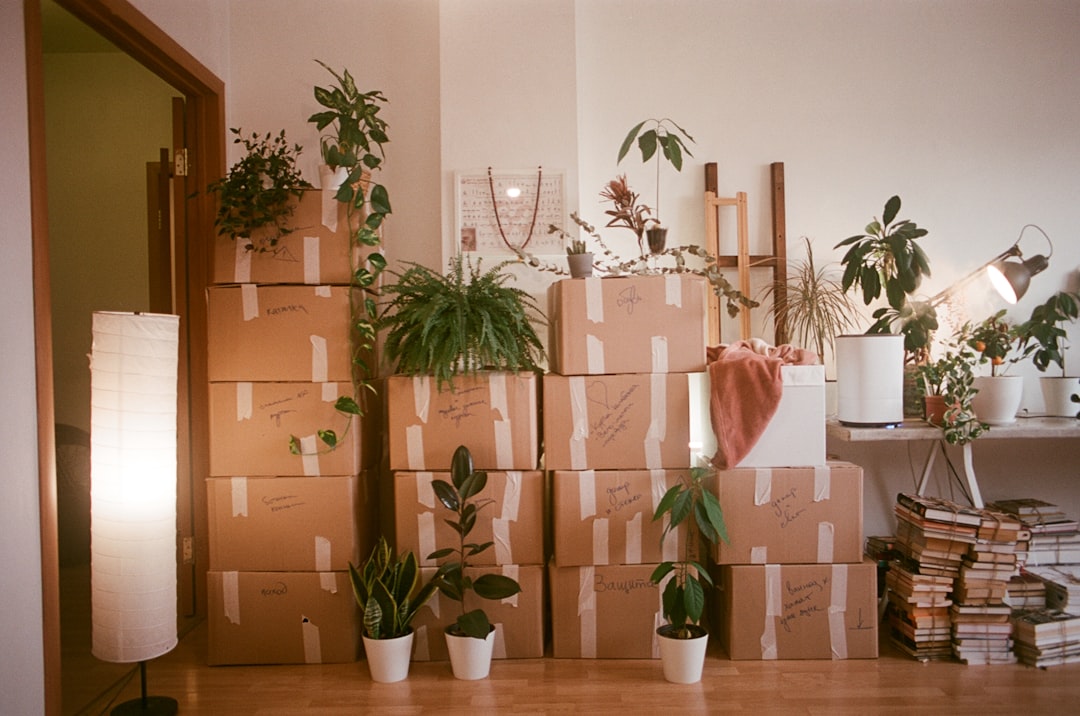
Renters face a familiar tension: wanting a home that looks intentional and polished without spending a landlord-sized deposit or hiring a designer. The good news is that today’s smartphones and free-to-low-cost design tools let you visualize, test, and execute interior styling decisions with professional results — all on a budget. This guide walks you through a full, practical workflow: from phone-based photography and room scanning to using AR, tunable lighting, DIY fixtures and smart buying strategies so you can create a space you love without breaking your lease or bank.
If you want a crash course in photographing interiors with the gear you already own, start with this practical photography workflow guide — it explains framing, light control and editing for small spaces in a clear, step-by-step way. If you're packing for a move or a weekend refresh and want to minimize what you bring, our packing light guide has useful habits that transfer directly to staging and moving small furniture pieces efficiently.
Pro Tip: A single well-lit, high-resolution photo of each wall becomes the foundation for every layout experiment and AR test — save originals and make copies to test ideas without losing your baseline images.
1. Why Visualize First (and How Apps Save Time & Money)
Reduce costly mistakes
Buying furniture or artwork without testing often leads to returns, wasted time, and deposit disputes. Visualizing with apps prevents common errors like buying a couch too deep for a walkway or a rug that hides baseboard details your landlord requires you to keep visible. Tools that let you place virtual furniture or test color swatches remove guesswork and save both money and landlord headaches.
Use 3D scanning and AR to make decisions
Consumer-level 3D-scanning technologies are now accurate enough for room planning. Articles that examine the implications of consumer 3D scanning — like 3D-scanning for custom rings — reveal the same principles that apply to interiors: capture accurate measurements, test virtual objects at scale, and validate fit before purchase. Paired with AR try-on and tunable lighting field tests like AR Try‑On & Tunable Lighting, you can simulate how materials and finishes will read in your actual light.
Protect your time with micro-app workflows
Not every app needs to be an all-in-one platform. Lightweight, single-purpose apps for measuring, moodboarding, and AR placement speed up decision-making. If you’re thinking about custom app workflows or worried about data and privacy while using multiple micro-apps, our deployment checklist for micro apps explains the practical tradeoffs: AI-assisted micro-apps checklist.
2. Smartphone Photography for Renters: Shoot Like a Pro
Simple gear and settings
You don’t need a DSLR. A modern smartphone with a wide-angle lens is more than adequate for most rental rooms. If you’re buying a phone to use primarily for design and photo tests, read our guide on vetting refurbished handsets to avoid costly returns: Refurbished phones: how to vet quality. Use HDR mode sparingly for balanced exposures, lock focus and exposure on the most important area in the frame, and keep the phone steady — a cheap tabletop tripod can make a big difference.
Composition that helps planning
Shoot each wall straight-on and at two-thirds height so you capture trim, outlets and switch placement — items landlords often care about. Include a corner shot and a wide-angle from the doorway to capture circulation. These images will feed into measurement and AR apps; accurate inputs equal more reliable virtual mockups.
Power and backups
Running scans and AR apps drains batteries quickly. Keep portable chargers or multi-device chargers on hand — guides on portable power show real-world kits that keep lights and phones running during long planning sessions: Portable power & lighting kits. For pet owners or people who need always-on devices, check charger compatibility notes in our power guide for multi-device setups: Power your pet gear: chargers.
3. Apps & Tools: Pick the Right One for Your Project
Layout and measurement apps
Start with apps that let you measure rooms from photos or using LiDAR (if your phone supports it). These apps reduce the headache of manual tape measurements and create an editable floor plan you can import into other tools. Some scanning tools offer downloadable models you can open in more advanced planners.
AR placement and tunable lighting
Use AR furniture placement to check fit and flow. Tools that simulate tunable lighting let you see how the same lamp shade reacts to warm vs cool light. Our field tests of AR and lighting tech reveal how much tunable light changes material perception: AR Try‑On & Tunable Lighting and the broader lighting impact discussion at Illuminating Your Message: Lighting & Mood are excellent primers.
Moodboard and print production
Once you have photos and virtual layouts, build moodboards to compare palettes and textures. For custom prints or budget art reproduction, promo and printing hacks like stacking print discounts can save money — learn how to save on printed pieces at How to stack VistaPrint promo codes.
4. Lighting: Small Investments, Huge Returns
Layered lighting basics
Good lighting has three layers: ambient (general), task (reading/working), and accent (artwork or feature). Renters can add these layers with plug-in solutions that don’t require rewiring. A floor lamp and a couple of clip-on task lights typically accomplish most needs.
Smart lamps and moisture considerations
Smart lamps with tunable color temperatures elevate a basic lamp into a versatile mood tool. If your rental has high humidity areas (near kitchens or older windows), follow practical protection tips for smart lamps so they last: How to protect smart lamps from moisture. For economical tech recommendations that pair well with decor, see our budget self-care tech picks that include a smart lamp option: Budget self-care tech picks.
DIY fixtures and LED upgrades
You can dramatically improve a room with DIY light diffusers and LED strip accents. Read how a studio transformed using a DIY LED chandelier and the lessons that translate to renter-friendly projects: Studio Design: the DIY LED chandelier. Many of those techniques are reversible and use only plug-and-play hardware.
5. Affordable Styling: Where to Spend and Where to Save
Spend on scale, save on accents
Invest in a few scale-defining pieces (sofa, bed, dining table) that fit your room’s footprint and budget. Save on accents (throw pillows, small art, planters) that you can swap freely. Use your phone mockups to ensure the big pieces will fit before you buy to avoid costly returns.
Prints, textiles and custom-fit decor
High-impact art can be inexpensive if you print scaled reproductions or photo prints of personal photography. Use coupon techniques from printing platforms to reduce cost per print: VistaPrint coupon stacking. For textiles, prioritize quality at touchpoints — a good throw and bed linen can change perceived value without large expense.
Thrift, upcycle and temporary upgrades
Thrift stores are goldmines for statement pieces that can be refreshed with paint or hardware swaps. Keep every change reversible: peel-and-stick wallpaper, temporary curtain rods, and adhesive shelf hooks keep you within lease rules while letting you style boldly.
6. DIY Projects Renters Can Safely Tackle
Reversible updates only
Always prioritize reversible modifications. Swap handles, install floating shelves with minimal anchors, and use removable adhesives for wall decor. These choices protect your deposit while allowing big visual changes.
Lighting and wiring safety
DIY lighting upgrades are attractive, but safety matters. Use plug-in fixtures rather than hardwiring unless you have landlord approval. Portable power and lighting kits tested for durability provide a safer DIY route: Portable power & lighting kits.
Quick builds that look expensive
Simple projects — a painted accent wall, a tailored curtain treatment, or a framed gallery cluster — can feel high-end. Use phone mockups to plan spacing and scale before committing to nail holes or several art pieces.
7. Workflow: From Phone Photo to Finished Room (Step-by-Step)
Step 1 — Capture carefully
Shoot each wall, a corner shot and a wide doorway shot. Make note of outlet and switch locations in photos. Keep a simple naming convention (e.g., living_wall_01.jpg) so you can track edits.
Step 2 — Measure and scan
Use a room-measurement app or your phone’s LiDAR to create a floor plan. Export or screenshot the plan and import it into layout or moodboard tools. If you’re experimenting with 3D capture, see how consumer scanning techniques are used in other crafts to understand scale expectations: 3D scanning considerations.
Step 3 — Place virtual furniture and tune lighting
Use AR furniture placement to test sofa depth, rug size, and circulation. Toggle different lighting presets to see the same surface in warm and cool tones — field testing of AR and lighting tools shows how much perceived texture can change with light: AR & tunable lighting tests.
Step 4 — Build a shopping list and buy smart
Create a prioritized list: buy anchor pieces first, use coupons for prints and accessories, and always confirm return policies. For printing and promo discounts, refer to coupon stacking tactics for big savings: VistaPrint promo hacks.
8. Small Staging Tricks That Make Rooms Feel Bigger
Mirrors, light, and vertical lines
Strategically placed mirrors double natural light and create depth. Vertical shelving, tall plants, and long curtains draw the eye upward and make ceilings feel higher. Use AR mockups to test mirror placement without moving heavy furniture.
Consistent color anchors
Limit your primary palette to 2–3 colors and use a contrasting accent. Your phone moodboard will reveal when a palette becomes too busy; iterate until the board reads cohesive at thumbnail size.
Micro-rituals for finishing touches
Develop small finishing rituals — lighting sequences, a curated nightstand, a prioritized plant placement — that turn a space from 'lived-in' to 'styled'. For creative professionals, micro-rituals improve decision speed and reduce second-guessing: Deep practice: micro-rituals.
9. Cost & Tool Comparison: Which Apps and Devices Give the Best ROI?
Below is a compact comparison of commonly used phone-based tools and services. Use this table to prioritize purchases based on your needs: measurement accuracy, AR fidelity, cost, learning curve and privacy considerations.
| Tool / Category | Typical Cost | Strengths | Weaknesses | Best For |
|---|---|---|---|---|
| Simple AR furniture apps | Free – $10/month | Easy AR placement, instant scale checks | Limited to catalog pieces, accuracy varies | Quick fit tests for sofas, rugs |
| LiDAR room scanners (phone feature) | Device-dependent (free on supported phones) | High accuracy, exportable models | Requires compatible hardware | Accurate floor plans & 3D captures |
| 3D-scan apps / photogrammetry | Free – $20 one-time/$15–$30/month | Detailed models, good for bespoke fit | Learning curve; processing time | Custom furniture mockups, makers |
| Mobile photo-editing apps | Free – $10/month | Fast exposure correction, color matching | Not layout-focused | Photography cleanup & prints |
| Portable power & lighting kits | $40–$250 | Reliable power for lights & phones, portable | Extra hardware to store | Long planning sessions, pop-up shoots |
The table above is a snapshot. If you’re looking for hands-on power & lighting recommendations, consult the field review of portable kits: Portable power & lighting kits. For a broader perspective on consumer smart lamps and related CES-level gadgets, this roundup is useful background: CES 2026 smart lamps & gadgets.
FAQ: Your top questions answered
Q1: Will AR really show me exact sizes, or is it only approximate?
A: AR is broadly accurate for scale checks, but absolute precision varies by app and hardware. Use LiDAR-enabled devices or cross-check with an exported floor plan for final confirmation. When in doubt, measure physically for anchor pieces like sofas and beds.
Q2: Are smart lamps safe in older rentals with moisture issues?
A: Yes, but you should protect smart lamps near humid areas. Follow the practical advice from our moisture-protection guide: Protecting smart lamps from moisture. Keep electronics away from direct moisture paths and use GFCI outlets where required.
Q3: Can I use my phone photos for prints and art?
A: Absolutely. High-resolution phone photos can make great prints when color-corrected. Use promo/print coupon techniques to lower cost per print: VistaPrint promo stacking tips.
Q4: Are DIY LED fixtures renter-friendly?
A: Many LED projects are plug-and-play and reversible. Follow safety guidance and keep changes non-permanent unless you have landlord approval. Read about large DIY lighting projects for ideas you can adapt: DIY LED chandelier lessons.
Q5: How do I balance aesthetics with deposit rules?
A: Prioritize reversible updates (rugs, furniture, plug-in lighting, removable wallpaper). Document the original condition with timestamped photos (use safe cloud backups) — this protects you if disputes arise.
10. Final Checklist & Next Steps
Before you buy
Create a shortlist of anchor pieces and mock them up in AR. Cross-check dimensions on exported floor plans and save a final mockup image with scale annotations.
During styling
Follow micro-rituals that keep styling decisions fast. Make one bold change at a time — evaluate for 48 hours before changing again. Use your phone photos to compare iterations and track progress.
After styling
Document the final state for your records and in case of deposit questions. Consider selling or gifting items you don’t need rather than returning them to stores to avoid restocking fees.
Throughout this process, leverage practical tech and lighting wisdom from field tests and guides. For more about how lighting affects perception, see Illuminating Your Message: lighting & mood. For hands-on power strategies, consult Portable power & lighting kits. If you’re upgrading devices used for captures and apps, check the refurbished phone vetting guide: Refurbished phones: vet quality.
Good design is iterative and inexpensive when you prototype with your phone first. With a few thoughtful purchases, free apps, and a willingness to DIY within your lease rules, you can turn any rental into a stylish, comfortable home.
Related Reading
- AR Try‑On & Tunable Lighting — 2026 Field Tests - Learn how tunable light changes material perception and why it matters in styling.
- Studio Design 2026: DIY LED Chandelier - A case study in high-impact, renter-friendly lighting upgrades.
- Photoshoot to Portfolio: Photographer’s workflow - Practical smartphone photography tips for small spaces.
- Portable power & lighting kits review - Field-tested kits to power shoots and lighting experiments.
- How to stack VistaPrint promo codes - Save on prints and physical decor.