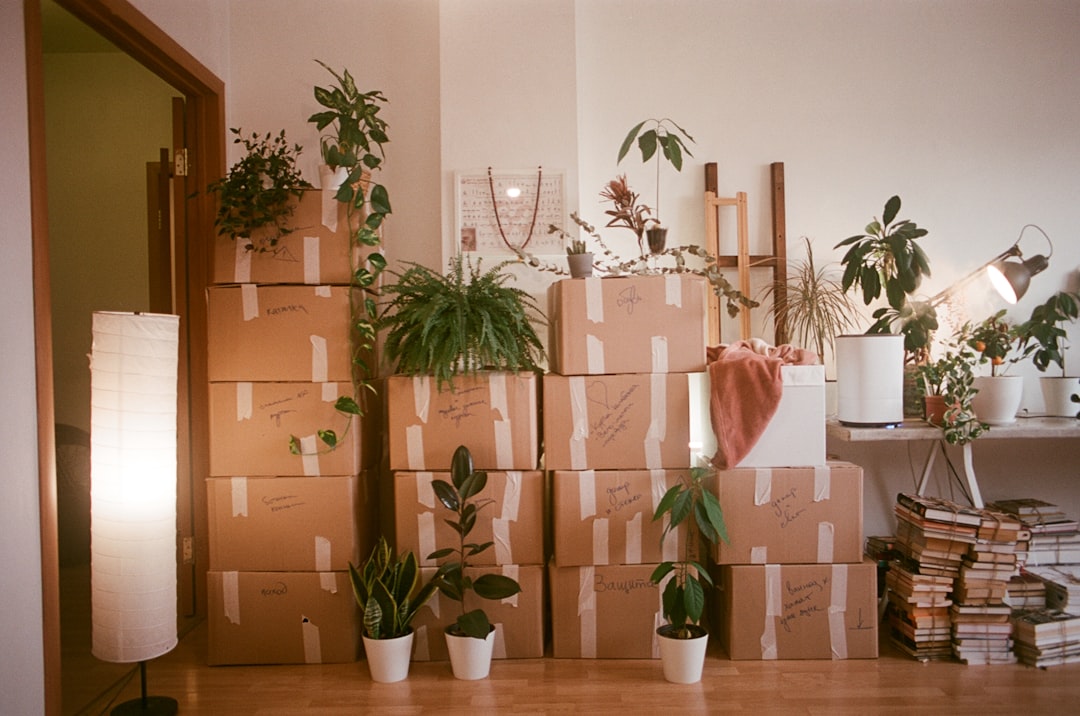
Moving into a rental doesn’t mean sacrificing style, comfort, or personality. With thoughtful planning and renter-friendly solutions you can transform any temporary space into a cozy, functional home that reflects who you are — without risking your deposit. This guide offers practical, tested strategies and creative ideas for renters with restrictions, including step-by-step projects, product recommendations, and the legal and maintenance context you need to act confidently.
1. Start with the Fundamentals: Know Your Lease and Your Rights
Read and highlight the relevant clauses
Before you spend a dollar or a screw, know what your lease allows. Many disputes come from assumptions — about painting walls, installing shelves, or adding window treatments. For a clear breakdown of the lease items renters often miss, review our guide on navigating your rental agreement. That article helps you identify clauses you can negotiate and those that are non-negotiable.
Ask for permission in writing
If you want to make a change that isn’t explicitly allowed, request written permission. A short email or text confirming temporary modifications (for example, installing a removable shelf) is invaluable. Keep records of approvals and any agreed return-to-original-condition responsibilities and timelines.
Negotiate low-risk upgrades
Landlords are often open to low-cost, reversible upgrades if you offer to do the work and commit to restoring the space. Propose improvements that increase property value (like a fresh coat of a neutral paint on scuffed trim) or that solve a maintenance issue — and document the arrangement.
2. Plan Your Decor Strategically
Prioritize comfort and function
Start with a list of must-haves versus nice-to-haves. Function (sleep, cook, store) first; stylistic details (statement art, unique lighting) second. Thinking in layers — base, function, accents — helps you direct limited budget and time where it counts.
Create a mood board
A mood board keeps your choices consistent. Use photos, swatches, and links to products to pick a concise palette. If you want trend context to guide your choices, see our regional housing and design trends overview — useful for matching long-term tastes to short-term rentals in your market via understanding housing trends.
Budget like a pro
Split your budget into three buckets: essentials (furniture, cleaning), upgrades (lighting, textiles), and decor (art, plants). If you’re trying to punch above your price range, look for strategies in our piece on luxury on a budget — many small, high-impact choices create a perceived premium finish.
3. Walls & Art: Hanging Without Holes
Understand reversible hanging options
Command strips, removable hooks, and picture ledges make it possible to create gallery walls while leaving paint intact. For specific methods for posters and prints, check the step-by-step tips in From Film to Frame: How to Hang Your Oscar-Worthy Movie Posters, which explains adhesive choices and protective mounting suggestions.
When you need a drill-free shelf
Tension-mounted shelving, leaning bookcases secured with anti-tip straps (fastened to baseboards, not drywall), and heavy-duty adhesive rails provide storage without wall damage. Use ceiling-mounted plant hangers that press-fit into molding or rely on floor-to-ceiling tension poles for vertical displays.
Gallery wall layouts that hide seams
Arrange framed photos and art on the floor first to find a balanced layout; then apply removable hooks. Use consistent frame color or matting to unify diverse pieces for a museum-like look. If you ever need to take down a piece, keep the backing and hanging hardware together in a labeled envelope.
4. A Comparison of Renter-Friendly Hanging Methods
Below is a practical comparison to help choose the right hanging method for your item and wall type.
| Method | Best for | Weight Limit | Cost | Permanence / Ease of Removal |
|---|---|---|---|---|
| Command strips | Posters, lightweight frames (up to 5–10 lb) | 5–16 lb per strip set | Low | Removable; follow heat and adhesion instructions |
| Removable hooks / adhesive hooks | Coats, wreaths, lightweight baskets | 5–25 lb (varies) | Low | Removable; can leave residue if overloaded |
| Tension rods / poles | Curtains, plant hangers, lightweight shelving | Varies; best for vertical loads | Low–Medium | Non-invasive; may shift if overloaded |
| Picture ledges (leaning) | Frames, small art objects, layered displays | Up to 30 lb depending on model | Medium | Removable if freestanding; minimal wall attachment if unanchored |
| Wall anchors into studs | Large mirrors, TVs, heavy shelving | 50+ lb (dependent on anchor) | Medium | Permanent; requires landlord permission and proper patching later |
Pro Tip: Photograph the original wall around installations and any approvals from your landlord. When you move out, photos accelerate deposit return: before-and-after evidence is persuasive.
5. Furniture & Layout: Small Space, Big Impact
Choose multi-function furniture
Invest in pieces that work double duty: sofa beds, ottomans with storage, nesting tables, and drop-leaf tables. These expand function without overcrowding. If you regularly work from home, look at small desks and accessories recommended for creators in Best Tech Tools for Content Creators to build a compact, efficient workspace.
Optimize traffic flow
Arrange furniture to create clear pathways. Floating furniture away from walls can make rooms feel larger. Measure the entryway and door swings before selecting large pieces — a mis-measured sofa is a costly mistake.
Verticality is your friend
Use tall bookshelves, wall-mounted open shelving (installed with permission), and floor-to-ceiling curtains to accentuate height. If you need style inspiration for accessorizing bookshelves and surfaces, creative arranging ideas like curated vignettes are similar to gift-assembly techniques suggested in creative gift baskets — group similar-scale items with a unifying color or theme.
6. Textiles, Color & Lighting: The Warmth Trifecta
Layer color and texture
Start with a neutral foundation and add two accent colors rather than dozens. Mix textures — a chunky knit throw, smooth linen curtains, and a low-pile rug — to create visual depth even in a monochrome scheme. Look to timeless style cues in curated trend reviews like celebrated trends for subtle inspiration you can adapt to interiors.
Light in three layers
Ambient, task, and accent lighting is the standard triad. Add plug-in wall sconces and floor lamps where ceiling wiring or landlord permission is an issue. Smart bulbs and dimmers create mood without rewiring — seasonal promotions for smart style tech are summarized in must-have tech products if you’re shopping for lighting upgrades.
Rugs and curtains are identity anchors
Rugs define zones and mask imperfect floors. Curtains add softness and hide unsightly window frames. Choose larger rugs than you think you need — smaller rugs fragment a room. For renters who own pets or prefer easy upkeep, select stain-resistant textiles and vacuum-friendly pile heights.
7. Temporary Upgrades That Look Permanent
Peel-and-stick solutions
Modern peel-and-stick wallpapers, backsplashes, and even luxury vinyl tiles (LVT) provide dramatic visual upgrades that are removable. They’re perfect for making a kitchen or bathroom feel custom without damaging walls or floors. For kitchen-specific hacks and cooking-forward living tips (which can inform your kitchen styling) see our guide to DIY meal kits for how space and layout choices impact cooking behavior.
Change small finishes
Swap out cabinet knobs, outlet covers, and switch plates with adhesive or slip-over covers. If you take originals with you and return them, these small changes feel grown-up and homeowner-like without permanent alteration.
Upgrade hardware non-invasively
Use tension-mounted hardware for shower caddies and hanging pot racks that don’t require wall anchors. Magnetic knife strips and under-shelf organizers expand storage without drilling. Think like a product designer: maximize surface area and add function where the structure is strong (floors, ceilings, and studs) — and always verify with the landlord first.
8. DIY Projects Renters Can Safely Do
Install floating shelves with landlord OK
If you have permission, use small studs and anchor into a baseboard when possible. For reversible shelves, consider freestanding ladder shelves. If you’re inspired by artist techniques for display and curation, our piece on how artists honor influences offers creative approaches to presenting work that translate to apartment shelves.
Upcycled furniture refresh
Painting a second-hand dresser or reupholstering dining chairs is a high-impact, low-cost way to get custom-looking furniture. Always strip and prep to protect finishes and improve longevity. If you want to build an elevated look, borrow strategies from curated retail techniques used to stage bargains in the market example luxury-on-a-budget.
Indoor planter systems
Use self-watering pots and drip-tray trays under planters to avoid water damage. Hanging plants add life and hide unattractive corners; use removable ceiling hooks rated for weight or tension poles for hanging vines.
9. Cleaning, Maintenance & Pet-Friendly Solutions
Create a maintenance checklist
Routine tasks — dusting vents, cleaning fridge seals, running bathroom fans — prevent damage that landlords can charge for. Schedule small weekly chores to avoid large deep-clean sessions before moving out. If you want to upgrade your routine with gadgets, review our list of must-have home cleaning gadgets for 2026 for time-saving devices that are renter-friendly.
Pet-proofing smartly
Protect flooring with runners in high-traffic areas and use washable throws on furniture. For gear you don’t need anymore, consider donating excess items — our guide on donating pet supplies covers how to declutter responsibly and help local charities.
Stain and odor control
Address stains immediately: blot, pre-treat with enzyme cleaners for organic stains, and avoid scrubbing which spreads the mark. Neutralizers and targeted cleaners reduce the chance of lingering smells — and if scent matters to you, modern fragrance tech can create a consistent home aroma without candles.
10. Scent, Sound and Seasonal Styling: The Final Layer
Use scent intentionally
Scent is a powerful mood setter. If open flames are not allowed, consider smart diffusers or solid fragrance devices. For comparisons of new fragrance tech that’s renter-safe, check smart fragrance tagging devices. For playful scent-match ideas around events, our piece on fragrant game day explains how scent choices shape experience.
Create a seasonal rotation
Keep a small bin of seasonal accents — cushion covers, a throw blanket, one or two tabletop items — and swap them each season to refresh the space. This is cheaper and less wasteful than buying new items repeatedly.
Prioritize sound and privacy
Soft textiles and white-noise machines increase perceived privacy and comfort. For open-plan rentals, rugs and hanging fabric screens reduce echo. When building a work-from-home setup, pick tech and acoustics strategies from our creators’ guide in Best Tech Tools for Content Creators to keep the space productive and pleasant.
11. Where to Find Affordable, High-Impact Pieces
Thrift and secondhand markets
Thrift stores and online marketplaces are goldmines for unique pieces. Learn to spot quality by checking joinery and the weight of materials. Reupholstering or refinishing an imperfect item is often cheaper than buying new, and creates a one-of-a-kind look.
Seasonal sales and tech deals
Time purchases (like smart bulbs, speakers, or cleaning tools) to holiday or clearance events. Our roundup of tech and style promotions in holiday deals highlights what typically goes on discount and when to buy.
Local creatives and makers
Commissioning a local artist or maker for small items (prints, pillows, ceramics) supports local business and delivers personalized results. If you want creative curation ideas, the artist-focused article Echoes of Legacy has tips that translate well to home collections.
FAQ — Common renter decor questions
Q1: Can I paint my rental walls? What if I want a bold color?
A: Check your lease and ask your landlord for written permission. If bold color is the goal, consider removable wallpaper or a large tapestry or fabric panel as a reversible solution.
Q2: Will Command strips ruin paint?
A: Used properly and removed per manufacturer instructions (pull slowly at a low angle), Command strips are designed to come off cleanly. Test a strip in an inconspicuous area first.
Q3: How do I make a small living room feel larger?
A: Use a light color palette, avoid overfilling the floor, add vertical storage, and use a single large rug to unify the space. Mirrors placed opposite windows increase perceived depth.
Q4: What rental-friendly upgrades increase the chance of deposit return?
A: Non-invasive fixes like deep cleaning, using removable solutions, patching and painting baseboards (with landlord approval), and replacing light bulbs make a big difference. Keep receipts and photos.
Q5: How can I protect wooden floors from furniture?
A: Use felt pads under furniture legs, area rugs, and chair glides. For heavier items, place plywood or a protective mat beneath to distribute weight.
12. Final Checklist & Move-Out Strategy
Document the apartment condition
At move-in, photograph every room, including close-ups of scuffs, floor corners, and appliances. Repeat this at move-out to prove non-damage or pre-existing conditions. If disputes arise, paired photos plus receipts and correspondence create a strong case.
Pack a restoration kit
Include touch-up paint (if allowed), small spackle, a grout brush, an odor-neutralizer spray, and cleaning supplies. Address minor repairs immediately rather than at the end; it’s cheaper and less stressful.
Return to neutral with style preserved
For many renters the best option is reversible personalization: removable wallpaper behind a bed, plug-in lighting fixtures, and modular furniture that you can take with you. You’ll leave the space as required and keep the pieces that made your rental feel like home.
Related Reading
- Coffee and Gaming: Exploring the Perfect Pairing - A fun look at how beverage rituals shape personal space and routines.
- Unlocking Secrets: Fortnite's Quest Mechanics for App Developers - Not design-related directly, but offers inspiration on how clever systems create engaging user spaces.
- Live Like a Bestseller: E.L. James' Mansion and Other Affordable Literary Homes - Inspiration for dramatic looks on constrained budgets.
- Superfoods for Superstars: Natural Foods Delivered for Peak Performance - Ideas for stocking a kitchen that supports your lifestyle while doubling as decor (think glass jars and open shelving).
- Preparing for Future Market Shifts: The Rise of Chinese Automakers in the U.S. - Useful for long-term planners who combine housing choices with transport and commute considerations.