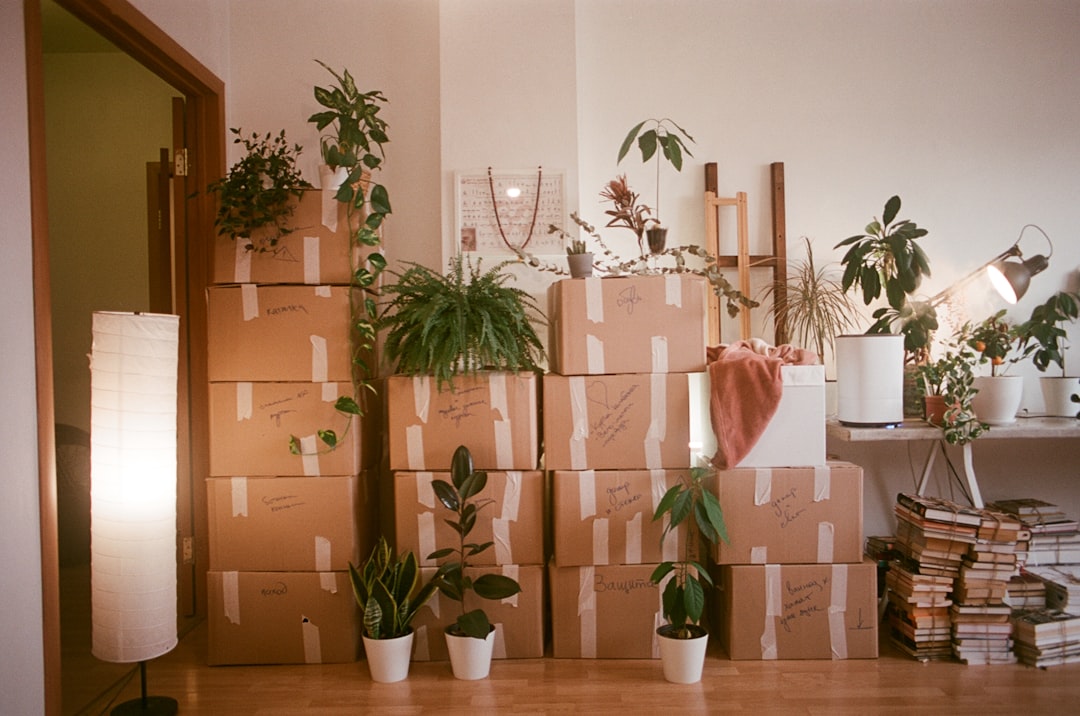
Competition shows are TV gold because they accelerate human dynamics: alliances form in hours, conflicts surface, and shared victories produce electric bonds. Imagine channeling that intensity—not the manufactured drama—into local tenant gatherings to strengthen relationships, reduce turnover, and create supportive renter networks. This guide translates lessons from reality competition formats into safe, repeatable, and inclusive community-building practices for renters and property managers alike.
Introduction: Why Reality TV Gives Us Useful Models
What competitive reality shows reveal about people
Whether it’s strategy, cooperation, or emotional arcs, shows like The Traitors accelerate social processes so we can observe them. For a practical lens on how game mechanics channel drama and cooperation, see The Traitors and Gaming: How Strategy Games Channel Reality TV Drama. Renters’ events aren’t about manufactured conflict; they’re about creating structure that accelerates connection, and TV shows are a concentrated case study.
Why renters should care
Loneliness and weak local ties increase friction: noise complaints escalate faster, maintenance issues go unreported, and turnover rises. Shared experiences produce empathy faster than flyers and bulletin boards. Insights from the Game Night Renaissance show how analog rituals (board games, tournaments) reconnect neighbors who might otherwise never meet.
How this guide is structured
We move from social science to actionable playbooks: first, the dynamics; second, design principles; third, step-by-step event execution; fourth, measurement and troubleshooting. For creative cross-collaboration ideas inspired by creators, check Creator Collaborations: Building a Community Through Shared Beauty Experiences to see how shared projects strengthen bonds.
What Reality Competition Shows Teach About Group Dynamics
Alliances and shared goals
On TV, alliances form quickly when clear objectives exist—win a challenge, avoid elimination. In tenant gatherings, the equivalent is having a shared, time-bound goal: build a rooftop garden, win a trivia night, or complete a community cleanup. Clear goals reduce social uncertainty and create immediate reasons to cooperate.
Conflict as information
Conflict isn’t always destructive; it exposes needs, boundaries, and hidden strengths when managed well. Reality shows use structured opportunities for airing grievances (councils, confessionals). Use structured feedback and neutral facilitation at tenant events to convert conflict into productive learning. For methods to interpret audience feedback and sentiment—useful if you survey tenants—see Analyzing Player Sentiment: The Role of Community Feedback in Game Development.
Rituals and shared storytelling
Televised confessionals let contestants re-frame experiences; little rituals (closing a challenge, awarding points) make events memorable. Build recurring rituals into tenant gatherings—awards, playlists, or closing reflections—to reinforce narratives that people share: "I helped plant the herbs" or "I defended our trivia team." For inspiration on music and movement as bonding tools, read The Role of Dance in Live Music Events: Energizing Community Connections.
Designing Tenant Gatherings with Intent
Start with a clear purpose
Ask: Is this event about skill-building, celebration, or support? Clarity shapes format. For example, game nights build light social capital, community skill swaps build durable reciprocity, and watch parties create a shared emotional arc. The Creating the Ultimate Game Day Playlist article shows how curated content (music, video) amplifies emotional alignment during live events.
Choose formats people can commit to
Short, recurring formats win over long, infrequent gatherings. A 90-minute weekly trivia night will gather more regulars than an all-day fair. The Game Night Renaissance demonstrates the power of bite-sized, repeatable formats to build communities over weeks and months.
Roles and facilitation
Assign rotating roles: host, scorekeeper, snack manager, safety officer. Roles reduce ambiguities that fuel conflict. Borrow mechanics from competitive formats—points, small rewards, public recognition—to reinforce pro-social behaviors without escalating competitiveness.
Types of Shared Experiences That Build Bonds
Friendly competition: trivia, board games, mini-tournaments
Competition can be low-stakes and high-connection. Structured games promote teamwork and laughter—key ingredients for neighborly trust. If you want to design game-based experiences that encourage cooperation rather than bullying, study how strategy games and reality mechanics intermix in The Traitors and Gaming.
Cooperative projects: community gardens, art walls, pop-up repairs
Shared work creates lasting outcomes and shared pride. Organize a community mural weekend or a communal herb-box build. These long-term projects create repeated interactions and shared responsibility that deepen social ties.
Cultural and movement events: dance, music, outdoor adventures
Dance, music, and outdoor activities activate different parts of the brain—empathy and play—resulting in fast connection. See how outdoor movement pairs with music in Dance Yourself Into Adventure and how music and sports intersect culturally in Beyond the Screen.
Inclusive Practices: Making Events Welcoming
Design for accessibility
Accessibility is not optional. Make sure meeting rooms are physically accessible, provide captioned videos for hearing-impaired attendees, and schedule events at varied times to accommodate shift workers. For foundational design principles you can adapt, see How to Create Inclusive Community Spaces: Best Practices for Development.
Clear, respectful communication
Set expectations in advance: code of conduct, noise levels, and how conflicts will be addressed. Written guidelines reduce ambiguity and prevent small misunderstandings from becoming big disputes. Use neutral language and offer a private channel for reporting concerns.
Encourage low-pressure participation
Create multiple ways to participate: observers, helpers, performers. Some renters may prefer to support from the sidelines until they feel comfortable. Rotate involvement opportunities so no single person is always on the hook to facilitate.
Leveraging Local Sports and Events to Forge Connections
Watch parties and fan zones
Sports create instant camaraderie. Hosting a watch party during a big match or coordinating attendance at a local fan zone can create a shared emotional experience that’s easy to replicate. For logistics and local deals, see Celebrate Sports in Style: Find Local Fan Zone Deals in Your Area.
How sports tie into home value and neighbor engagement
Sports events can galvanize neighborhood pride and even affect perceived property desirability. There’s evidence that well-managed community events around sports increase local engagement, which can indirectly support property value—see Leveraging Sports Events to Increase Home Value.
Using technology to scale engagement
Emerging tech helps organize pickups, match attendees with mutual interests, and manage RSVPs. For trends on technology’s role in local sports and engagement, read Emerging Technologies in Local Sports: A Catalyst for Community Engagement.
Mental Health, Resilience, and Managing Drama
Expect emotions; plan for them
High-emotion settings—competitive games, heated debates—may trigger stress or resurfaced trauma. Anticipate that leaders may need to step in and offer cooling-off spaces. For deeper context about stress behind high-stakes decisions, consult Betting on Mental Wellness: Understanding the Stress Behind High-Stakes Decisions.
Build emotional resilience into events
Debriefs, check-ins, and rotating responsibilities reduce cumulative stress on any single organizer. Insights about resilience in sports translate directly to community settings; see The Impact of Mental Resilience in High-Stakes Sports and Everyday Life for practical strategies.
Create supportive networks
Transform tenants into first-line support for simple problems: pick-up arrangements, small favors, or referral to local services. Those networks reduce friction and help keep small problems from escalating into formal disputes.
Pro Tip: Short, structured rituals (10–15 min opening check-ins; 10-min closing reflections) reduce ambiguity and keep emotions manageable while boosting shared meaning.
Practical Playbook: A Step-by-Step Guide for Organizers
Phase 1 — Plan (2–4 weeks before)
Define your objective, pick a format, secure space, and set a budget. Use partnerships when possible—local cafes, community centers, or sponsor deals like those you can look up in Celebrate Sports in Style reduce costs and increase visibility. Draft a short code of conduct and a simple liability disclaimer for physical activities.
Phase 2 — Promote (1–2 weeks before)
Use building notice boards, social platforms, and short flyers. Keep messaging clear about expected behaviors and the commitment. For creative co-promotion ideas, see how creators collaborate on shared experiences in Creator Collaborations.
Phase 3 — Execute and follow up
Run the event with a simple script: welcome (5–10 min), main activity (60–90 min), debrief & next steps (10–15 min). Immediately after, collect feedback with a short survey; analyzing sentiment is critical—try the methods in Analyzing Player Sentiment to iterate effectively.
Comparison Table: Event Formats at a Glance
Use this table to choose the right format based on cost, engagement, and conflict risk.
| Format | Estimated Cost | Engagement Level | Space Needs | Conflict Risk | Ideal Group Size |
|---|---|---|---|---|---|
| Trivia / Game Night | Low (snacks + small prizes) | High (team play) | Common room or lounge | Low–Medium (competitive banter) | 8–30 |
| Watch Party (sports/movie) | Low–Medium (AV + snacks) | High (shared emotion) | TV room / roof deck | Low (possible loudness complaints) | 10–50 |
| Cooperative Project (garden, mural) | Medium (materials) | Very High (investment in outcome) | Outdoor / common area | Medium (decision disputes) | 6–20 |
| Pop-up Skills Swap | Low (materials dependent) | Medium–High (reciprocity) | Shared room / workshop area | Low (clear roles reduce risk) | 5–25 |
| Outdoor Adventure / Dance Session | Low–Medium (equipment) | High (movement bonds fast) | Parks / open spaces | Low (safety oversight needed) | 6–40 |
Case Studies and Examples
Neighborhood football watch party turned weekly ritual
A mid-sized apartment building started a watch party for a local team and leveraged fan-zone deals to reduce cost. Over a season, attendance doubled, residents started a group chat, and new sub-teams formed for volunteer projects. For ideas on scaling sports engagement, review Leveraging Sports Events to Increase Home Value and local fan zone resources in Celebrate Sports in Style.
Board-game tournament revives a quiet courtyard
After a few months of a recurring board game night influenced by trends in the board-game world, this building saw increased coordination around mailroom issues and a drop in noise complaints. The structure borrowed from the Game Night Renaissance model: short sessions, rotating teams, and small rewards.
Community garden as a social anchor
A cooperative garden project created repeated cross-household interactions and a volunteer schedule that naturally led to borrowing tools and favors. The long-term project mimicked cooperative challenges on-screen: common objective, clear tasks, and public recognition for contributors.
Measuring Success and Iterating
Quantitative measures
Track attendance, repeat participation rate, and simple sentiment scores from post-event surveys. Use brief pulse surveys (3–4 questions) to keep response rates high. The analysis techniques used in game and product feedback studies apply here; see Analyzing Player Sentiment for methodologies you can adapt.
Qualitative signals
Watch for spontaneous off-event interactions, invitations between neighbors, and empathy-driven actions (bringing a meal, checking on an ill neighbor). These are strong predictors of durable community ties and may be more valuable than raw attendance numbers.
How to iterate safely
Use A/B testing across events: try two different formats in the same month and compare retention and sentiment. Document lessons and rotate leadership to prevent burnout. Creators partnering with local businesses is a good model for resourcing and cross-promotion—see Creator Collaborations.
FAQ — Frequently Asked Questions
1. How often should an apartment complex host community events?
Start small: once every 2–4 weeks. Monitor turnout and sentiment. If consistent engagement forms, move to weekly or create multiple short-format touchpoints (micro-meetups, online chats).
2. What if residents are worried about privacy or oversharing?
Offer multiple participation levels: observers, volunteers, performers. Keep any personal-sharing activities voluntary and provide private channels for feedback. Refer to inclusive space design guidance like How to Create Inclusive Community Spaces for best practices.
3. How do we manage loud events without causing neighbor disputes?
Use clear event hours, sound-limiting measures, and communicate in advance. Consider outdoor or well-insulated common areas. A designated noise liaison can handle on-the-spot complaints calmly.
4. Can competition ever be harmful?
Yes, if left unmoderated. Keep stakes symbolic (ribbons, small prizes), encourage rotating teams, and prioritize cooperative modes. Draw from low-stakes game trends in Game Night Renaissance.
5. How can technology help without replacing face-to-face interaction?
Use it for RSVPs, interest surveys, and reminders—not as a substitute for in-person rituals. Emerging tech described in Emerging Technologies in Local Sports can help match interests and coordinate schedules.
Conclusion: Turn a TV Lesson into a Local Win
Reality TV teaches us that structure, ritual, and clear goals dramatically accelerate social bonding. The trick for renters is to apply those mechanics without the spectacle—design short, recurring, inclusive events that reward cooperation, provide clear roles, and create shared artifacts (a garden, a playlist, a mural). For music and movement-driven events, draw inspiration from Dance Yourself Into Adventure and The Role of Dance in Live Music Events.
Start with a single, low-cost event and use simple surveys to iterate. Use partnerships to lower costs and increase reach—fan zones and local promotions can help, as shown in Celebrate Sports in Style and Leveraging Sports Events to Increase Home Value. Above all, make events safe, accessible, and repeatable: the compound effect of repeated, positive interactions will pay off in stronger relationships, a more supportive building culture, and a quieter, happier community.
Related Reading
- The Traitors and Gaming: How Strategy Games Channel Reality TV Drama - How strategy game mechanics mirror reality TV dynamics and lessons for safe play.
- Game Night Renaissance: The Evolving Landscape of Board Games - A deep dive into how board games are bringing people together post-pandemic.
- How to Create Inclusive Community Spaces: Best Practices for Development - Practical design and policy recommendations to make shared spaces welcoming.
- Creator Collaborations: Building a Community Through Shared Beauty Experiences - Lessons on collaboration and co-promotion that translate to tenant events.
- Celebrate Sports in Style: Find Local Fan Zone Deals in Your Area - Tips for leveraging local fan zones and deals to boost event attendance.